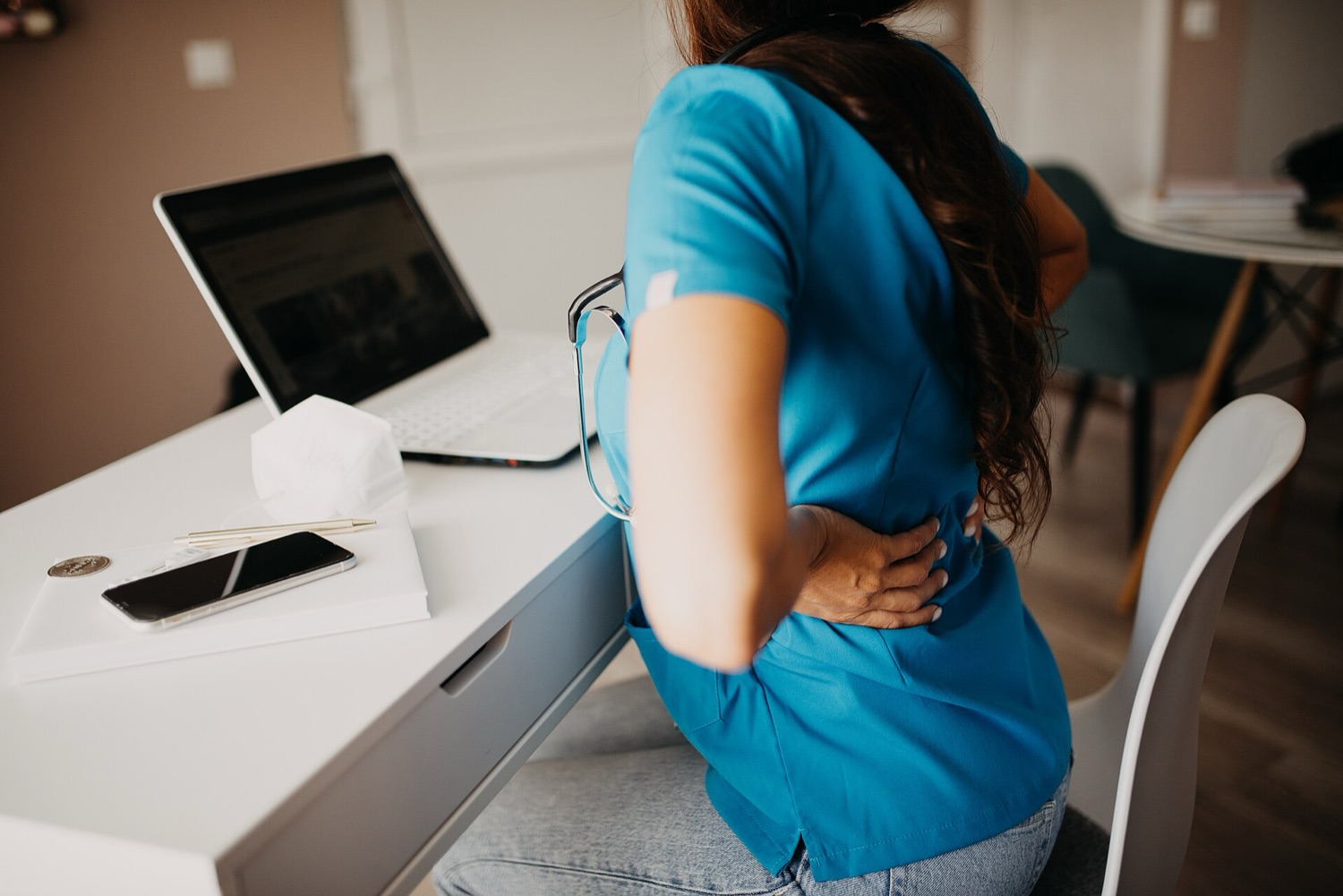
Lower back pain is so common that most adults will have it at some point. It can be very painful, but in the large majority of cases it is not caused by anything serious and gets better on its own within a few weeks.
What usually helps
- Stay as active as you can. Gentle movement and normal daily activity speed recovery. Long bed rest makes back pain worse.
- Heat from a warm bath or heat pack can ease muscle spasm.
- Painkillers can help you keep moving. Anti-inflammatory medicines such as ibuprofen are often suggested for short periods if they are safe for you; ask a pharmacist. UK guidelines no longer recommend paracetamol on its own for low back pain, and opioids are not advised for long-term back pain.
- Exercise, such as walking, stretching, pilates, yoga or a programme from a physiotherapist, is the best evidence-based treatment for back pain that lasts or keeps coming back.
- Keep worry in check. Fear of damage makes people tense and avoid movement. Pain does not usually mean harm.
Scans are rarely needed for ordinary back pain. They often show age-related changes that are also found in people with no pain, and they do not change treatment.
Warning signs: get urgent help
Seek urgent medical care if back pain comes with any of the following:
- Numbness or tingling around the genitals or buttocks.
- Difficulty peeing, loss of bladder or bowel control.
- Weakness or numbness in both legs, or unsteadiness.
- Fever, feeling very unwell, or unexplained weight loss.
- Pain after a serious fall or accident, or if you have a history of cancer.
Sitting for hours: desks, cars and card tables
Long periods in one position stiffen the back. Office work, long drives, all-day poker tournaments and marathon online sessions all have the same fix: a supportive chair with the lower back supported, feet flat, the screen or table at a comfortable height and, above all, regular breaks. Stand and move for a few minutes at least every hour; live tournaments usually have scheduled breaks, so use them to walk rather than scroll. Our ergonomics guide for online poker players shows a full set-up.
If back pain has not improved after a few weeks, is getting worse or stops you working, see a doctor or physiotherapist.
Based on guidance from: NHS, NICE guideline NG59, World Health Organization.


