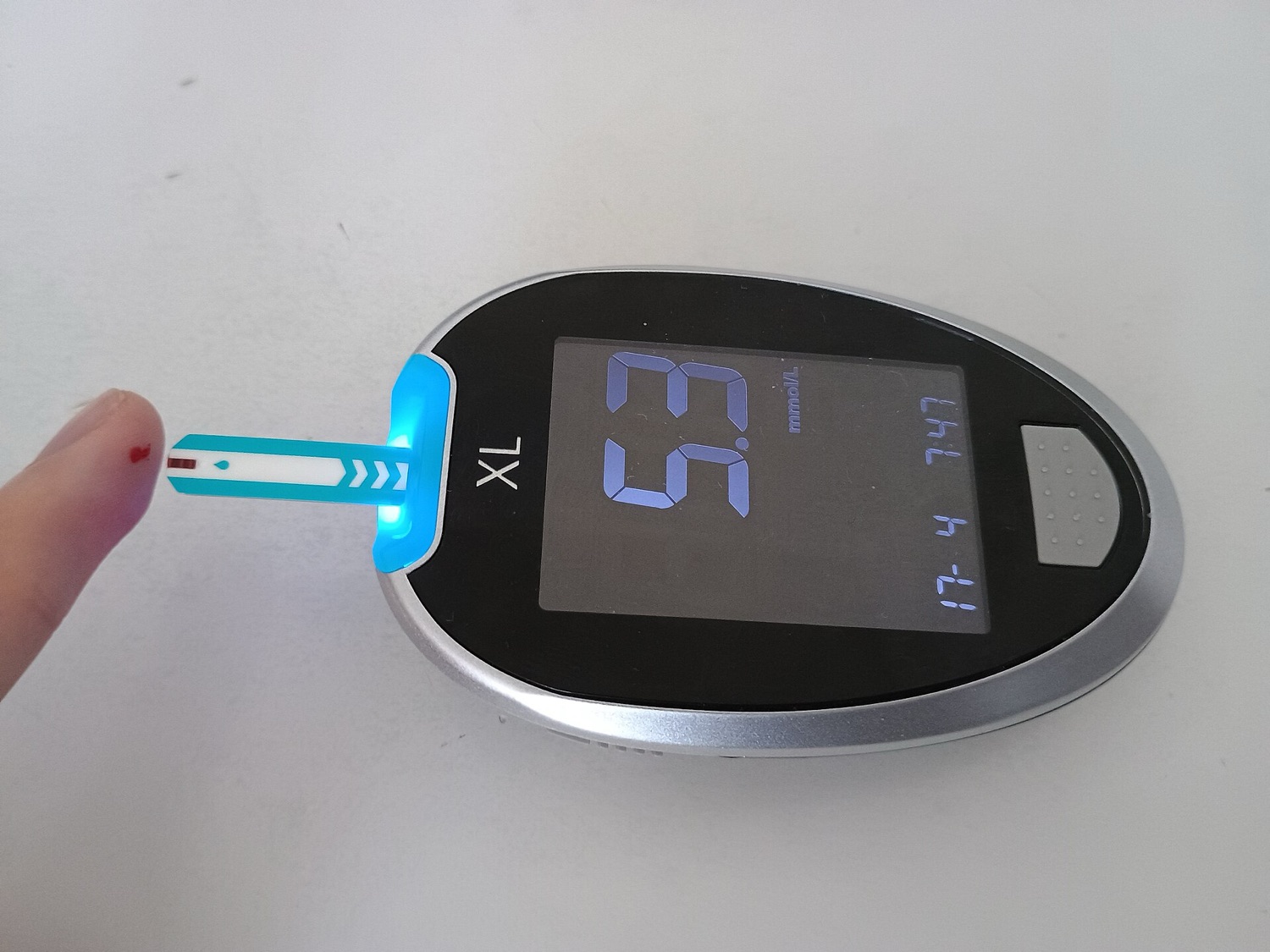
Type 2 diabetes happens when the body does not make enough insulin or cannot use it properly, so sugar (glucose) builds up in the blood. It is far more common than type 1 diabetes, it often develops over years, and in many people it can be delayed or prevented.
Common signs
- Feeling very thirsty and peeing more than usual, especially at night.
- Tiredness and lack of energy.
- Losing weight without trying.
- Blurred vision.
- Cuts and wounds that heal slowly, and repeated infections such as thrush.
Many people have no symptoms at first, which is why testing people at higher risk matters.
Who is at higher risk
- People living with overweight, especially with a large waist.
- Those with a parent, brother or sister with type 2 diabetes.
- Increasing age, generally over 40, and from a younger age in people of South Asian, Black African or Black Caribbean heritage.
- Low physical activity and long hours of sitting.
- A history of diabetes in pregnancy, or high blood pressure.
How it is diagnosed
Doctors usually use a blood test called HbA1c, which reflects average blood sugar over about two to three months. An HbA1c of 48 mmol/mol (6.5%) or above suggests diabetes. Slightly raised levels below that are often called prediabetes, a stage where lifestyle changes have the biggest payoff. Fasting glucose tests are also used.
Prevention works
Large trials such as the US Diabetes Prevention Program found that a structured programme of modest weight loss (around 5–7% of body weight) and about 150 minutes of activity a week cut the number of people with prediabetes who developed diabetes by more than half over about three years. Practical steps:
- Swap sugary drinks for water, and refined starches for whole grains.
- Build up to the activity guidelines and break up long periods of sitting.
- Get enough sleep; short sleep and night shifts affect blood sugar control.
- Stop smoking and keep alcohol moderate.
Long evenings, sugary drinks and late heavy meals are a small part of most people's year, but for shift workers who live that schedule every week the risk adds up: night work is linked with poorer blood sugar control, so regular meal times and protected sleep matter even more.
Living with diabetes
Type 2 diabetes is managed with lifestyle changes, medicines and regular checks of the eyes, feet, kidneys, blood pressure and cholesterol. Good control greatly reduces the risk of complications. If you notice the signs above, or think you are at risk, ask your doctor or pharmacist about a test.
Based on guidance from: World Health Organization, NHS, CDC, American Diabetes Association.


