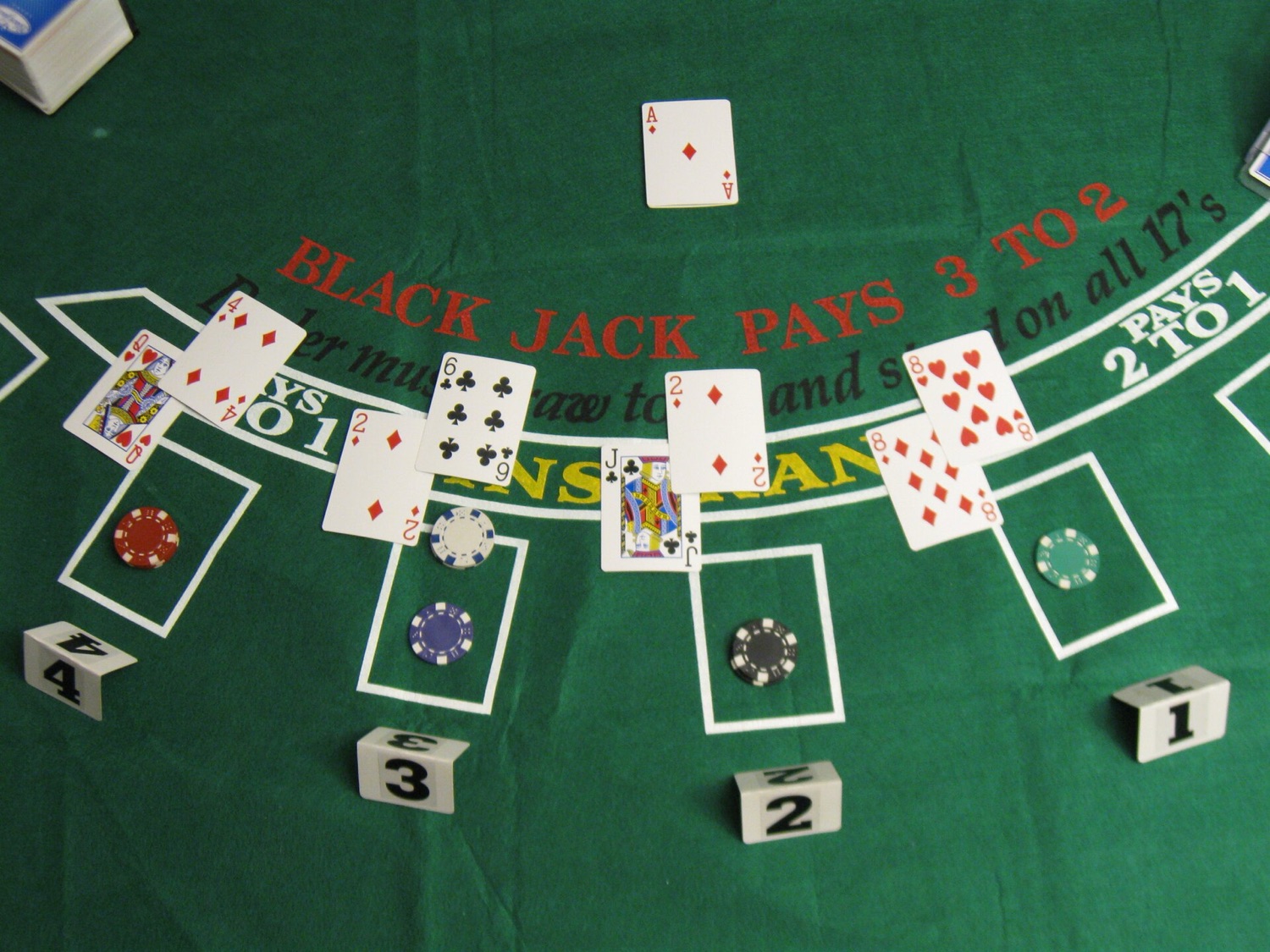
A big casino never closes. Dealers, cage cashiers, slot technicians, surveillance teams, security officers, cocktail servers and cleaners keep it running through the night, often on rotating schedules. What they face is shared by nurses, factory workers, pilots and drivers: working against the body clock.
The body clock in brief
Almost every cell in the body follows a roughly 24-hour circadian rhythm, coordinated by a small area of the brain called the suprachiasmatic nucleus. Light hitting the eyes is its main time signal. In the evening, darkness lets the hormone melatonin rise and body temperature fall, preparing us for sleep; in the morning, light does the opposite. Night work asks people to be alert when the clock says sleep, and to sleep when daylight, traffic and family life say wake.
What research links with night work
- Shorter, lighter sleep. Day sleep after a night shift is often one to two hours shorter than night sleep.
- Shift work disorder: persistent insomnia or sleepiness tied to the work schedule.
- Metabolic effects: long-term night work is associated with higher risks of weight gain and type 2 diabetes. Eating at night, when the body handles glucose less well, may play a part. See type 2 diabetes: signs and prevention.
- Heart health: studies link years of shift work with a modestly higher risk of cardiovascular disease.
- Digestive problems, such as indigestion and irregular bowels.
- Cancer classification: the WHO's International Agency for Research on Cancer classifies night shift work as "probably carcinogenic to humans" (Group 2A), based on limited evidence in people and stronger evidence in animal studies.
- Accidents: the drive home after a night shift is a high-risk moment for drowsy driving.
Strategies that help
- Protect day sleep: blackout curtains or an eye mask, earplugs or white noise, phone on silent, a cool room. Tell family and friends your sleep hours.
- Use an anchor sleep: keep a core block of sleep at the same time on work days, and do not shift completely back on days off if you will be on nights again soon.
- Nap before a night shift, and a short nap of 20–30 minutes during a break if allowed.
- Manage light: bright light early in the shift helps alertness; wraparound sunglasses on the commute home make it easier to fall asleep afterwards.
- Time caffeine: use it in the first half of the shift and stop several hours before you plan to sleep.
- Eat smart: have the main meal before the shift, keep night-time snacks light, and avoid heavy meals between midnight and 6 a.m. where you can.
- Prefer forward rotation: schedules that move day to evening to night are easier on the body than the reverse.
- Do not drive drowsy. If you nod off, pull over safely, or use public transport or a lift.
Melatonin supplements are sometimes used to shift sleep timing; rules differ by country (it is prescription-only in the UK), so ask a doctor or pharmacist first. Sleeping pills are not a long-term answer.
Other occupational risks on the casino floor
Dealers spend hours standing and repeat the same pitching, shuffling and chip-cutting movements thousands of times, which can strain wrists, shoulders and the neck; rotation between games and regular breaks reduce the load. Noise and the stress of difficult customers add up. Where smoking is still allowed on gaming floors, staff are exposed to tobacco smoke for the whole shift; see second-hand smoke and smoke-free casinos. Health checks that include blood pressure, weight and blood sugar are a good idea for anyone with years of night work behind them, and the general advice on how much sleep adults need applies to shift workers too, over the week if not every day.
Based on guidance from: WHO International Agency for Research on Cancer, US National Institute for Occupational Safety and Health (NIOSH), CDC, NHS.


