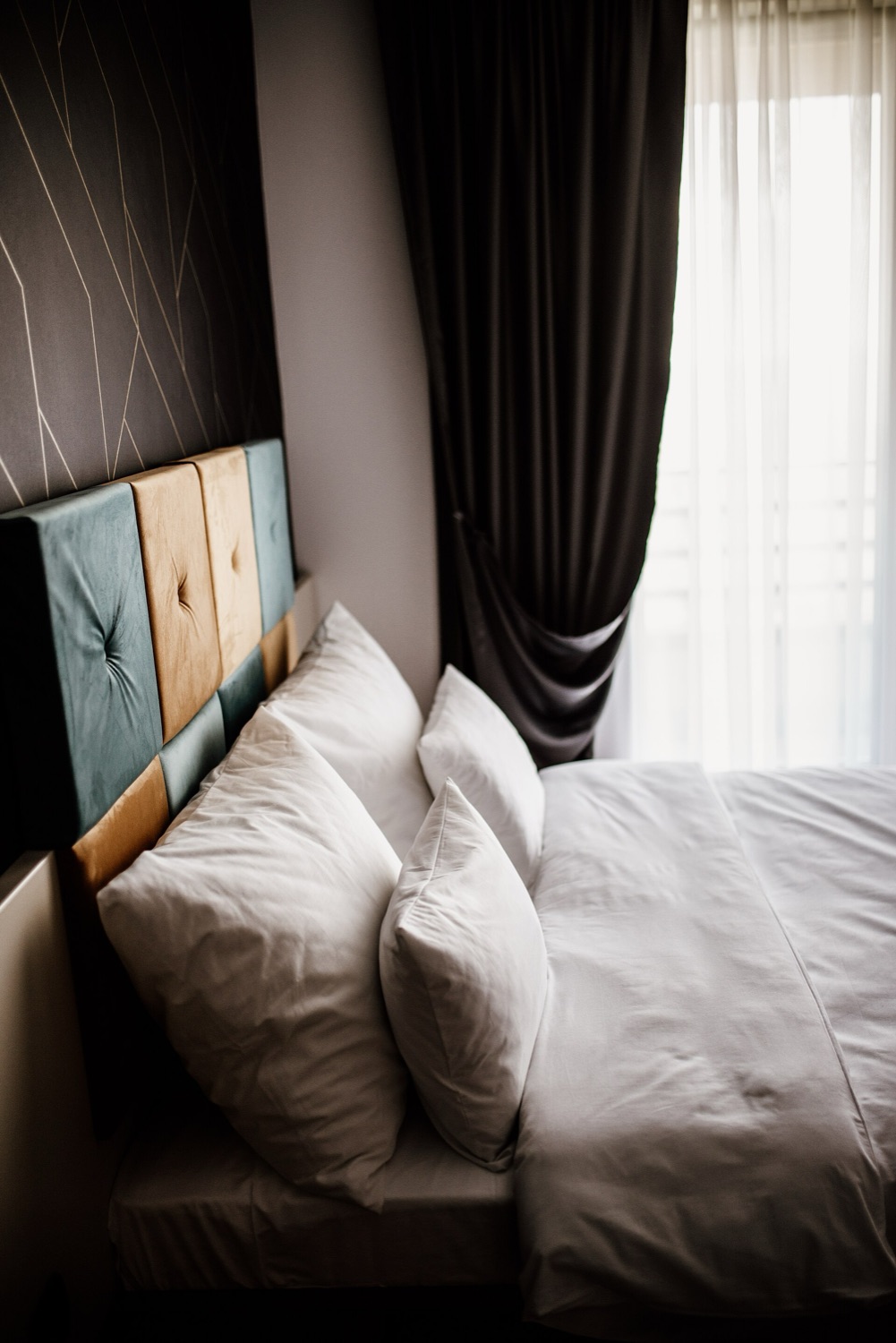
Sleep is not idle time. While you sleep, the brain consolidates memories, the body repairs tissue and hormones that control appetite, blood sugar and stress are reset. Health bodies agree on a simple baseline: most adults need at least seven hours a night, and many feel best with a little more.
How much sleep by age
The figures below are the ranges recommended by sleep researchers and used by public health agencies such as the US Centers for Disease Control and Prevention (CDC). They are averages: some people genuinely need a bit more or a bit less, but very few adults do well on under six hours for long.
| Age group | Recommended sleep per 24 hours |
|---|---|
| Teenagers (14–17) | 8–10 hours |
| Adults (18–64) | 7–9 hours |
| Older adults (65+) | 7–8 hours |
What short sleep does
One bad night makes most people irritable and slower. Weeks or months of short sleep matter more. Large studies link regularly sleeping under seven hours with a higher risk of weight gain, type 2 diabetes, high blood pressure, heart disease and depression, and with more accidents. Drowsy driving is a particular danger: being awake for around 18 hours impairs reaction time in a way that has been compared with drinking alcohol.
Sleep loss also changes how we judge risk. Tired people tend to focus more on possible gains and less on possible losses, which is one reason a late night at the card table or a long session of online betting can lead to choices that would look odd the next morning. We explain the brain science in Risk, reward and dopamine.
Habits that help
- Keep a regular wake-up time, including weekends. A stable wake time anchors the body clock more strongly than a fixed bedtime.
- Get daylight in the morning and keep evenings dimmer. Light is the main signal that sets the circadian rhythm.
- Watch caffeine timing. Caffeine stays in the body for several hours, so a late-afternoon coffee can still delay sleep at night.
- Go easy on alcohol. It can make you drowsy, but it fragments sleep in the second half of the night.
- Keep the bedroom cool, dark and quiet, and use the bed mainly for sleep.
- If you cannot sleep, get up after about 20 minutes, do something calm in low light and go back when sleepy.
Casino resorts, late nights and jet lag
Casino floors are designed to feel the same at 3 p.m. and 3 a.m.: bright lights, no windows and few clocks. That is fun for a weekend, but it confuses the body clock, especially after a flight across time zones. If you are heading to a casino resort, keep at least a rough wake-up time, step outside into daylight each morning and plan one or two earlier nights. People who work those floors face the same problem every week; our guide to night shifts and casino workers' health covers the strategies that help.
When to talk to a doctor
See a doctor if you snore loudly and someone has noticed pauses in your breathing, if you fall asleep during the day without meaning to, or if trouble sleeping has lasted for more than three months. Obstructive sleep apnoea is common and treatable, and long-term insomnia usually responds well to cognitive behavioural therapy for insomnia (CBT-I), which guidelines recommend before sleeping pills.
Based on guidance from: CDC, NHS, American Academy of Sleep Medicine.


