Colds and flu are both caused by viruses that infect the nose, throat and lungs, but flu (influenza) is usually more severe and can cause serious complications, especially in older people and those with long-term conditions.
How to tell them apart
| Cold | Flu | |
|---|---|---|
| Onset | Gradual over a day or two | Sudden, often within hours |
| Main symptoms | Runny or blocked nose, sneezing, sore throat | Fever, aching body, exhaustion, dry cough, headache |
| Fever | Uncommon or mild | Common, often high |
| Effect on daily life | You can usually carry on | Often too unwell to get out of bed |
| Recovery | About a week | About a week, tiredness can last longer |
What helps
- Rest, keep warm and drink plenty of fluids.
- Paracetamol or ibuprofen for fever and aches, if suitable for you. Check combination cold remedies so you do not double up.
- Antibiotics do not work against cold or flu viruses.
- Antiviral medicines can be prescribed for people at high risk of complications, and work best when started within about two days of symptoms.
Prevention
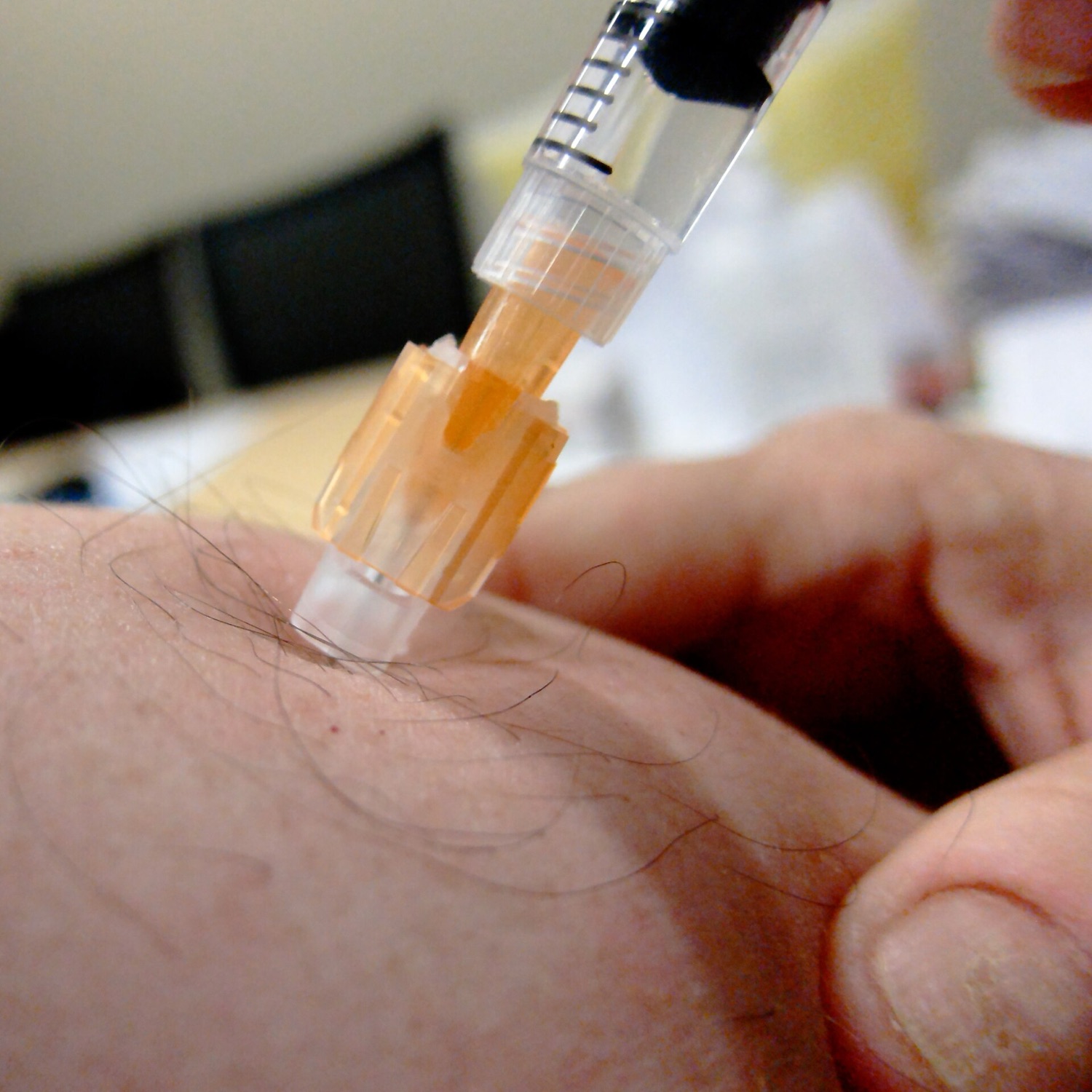
An annual flu vaccine is the best protection. Health agencies recommend it especially for adults over 65, pregnant women, people with long-term conditions such as heart or lung disease or diabetes, health and care workers, and in the US for almost everyone aged six months and over. Good handwashing, covering coughs and staying away from others while you have a fever also reduce spread. People with flu can pass it on from about a day before symptoms start to around a week after.
Crowds, conventions and travel
Viruses spread best where many people share air and surfaces: flights, conferences, stadiums, cruise ships and busy casino floors in the winter season. If you are travelling to a big event, get your flu jab at least two weeks beforehand, carry hand sanitiser for when soap is not available and wash your hands before eating. If you fall ill on a ship, report it to the medical centre; our casino cruise health guide explains how care at sea works.
When to get medical help
Contact a doctor or urgent care if you have difficulty breathing, chest pain, confusion, a fever that will not come down, symptoms that improve then return worse, or if you are in a high-risk group and getting worse. Call emergency services for severe breathing difficulty, blue lips, or if someone cannot be woken.
Based on guidance from: CDC, World Health Organization, NHS.


