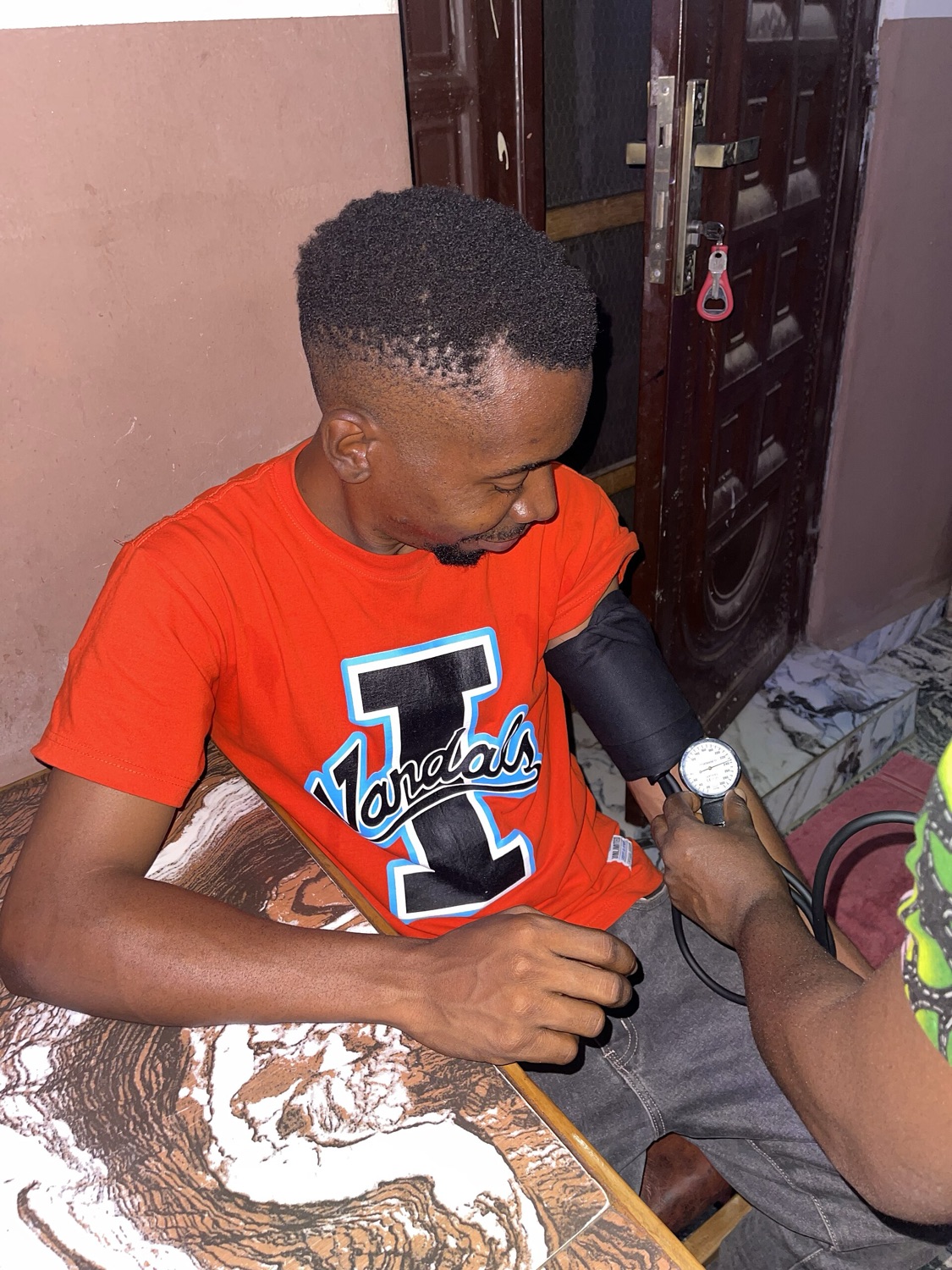
High blood pressure (hypertension) is one of the most common long-term health problems in the world, and one of the most important. It usually causes no symptoms at all, which is why the WHO estimates that a large share of people who have it do not know. The only way to find out is to have it measured.
What the numbers mean
A reading has two numbers in millimetres of mercury (mmHg). The top one, systolic, is the pressure when the heart pushes blood out; the bottom one, diastolic, is the pressure between beats.
| Reading | What it usually means |
|---|---|
| Around 90/60 to 120/80 | Ideal for most adults |
| 120/80 to 139/89 | Above ideal; lifestyle changes help |
| 140/90 or higher (clinic) | High blood pressure under WHO and UK guidelines; US guidelines start at 130/80 |
| 180/120 or higher | Very high: get medical advice the same day, and emergency help if you have symptoms |
Thresholds differ a little between countries, and home readings run lower than clinic readings, so a doctor will interpret your numbers alongside your other risk factors.
Why it matters
Over years, raised pressure damages artery walls and makes the heart work harder. It is a major cause of stroke, heart attack, heart failure, kidney disease and vascular dementia. Lowering it, by lifestyle or medicine, reduces those risks substantially.
Measuring at home
- Use a validated upper-arm monitor with the right cuff size.
- Avoid caffeine, smoking and exercise for 30 minutes before.
- Sit with your back supported, feet flat and arm resting at heart level. Rest for five minutes.
- Take two readings a minute apart, morning and evening, for several days, and share the log with your doctor.
Excitement, stress and short spikes
Blood pressure is not fixed; it rises briefly with effort, pain, cold and emotion. Stress, excitement and anger release adrenaline, which raises heart rate and pressure for a while. In healthy people that is harmless and passes. It is not the same as hypertension, but people with heart disease should know that repeated stress, late nights, heavy drinking and smoky rooms add up, and that no level of second-hand smoke is safe.
What lowers blood pressure
- Eating less salt and more fruit, vegetables and whole grains (see healthy eating basics).
- Regular physical activity.
- Losing weight if you are overweight.
- Cutting down on alcohol and stopping smoking.
- Treating sleep apnoea and getting enough sleep.
Many people also need medicine. Blood pressure tablets are usually taken long term; do not stop or change them without talking to your doctor. Seek emergency help for very high readings with chest pain, shortness of breath, a severe headache, confusion, vision changes or weakness on one side.
Based on guidance from: World Health Organization, NHS, American Heart Association.


