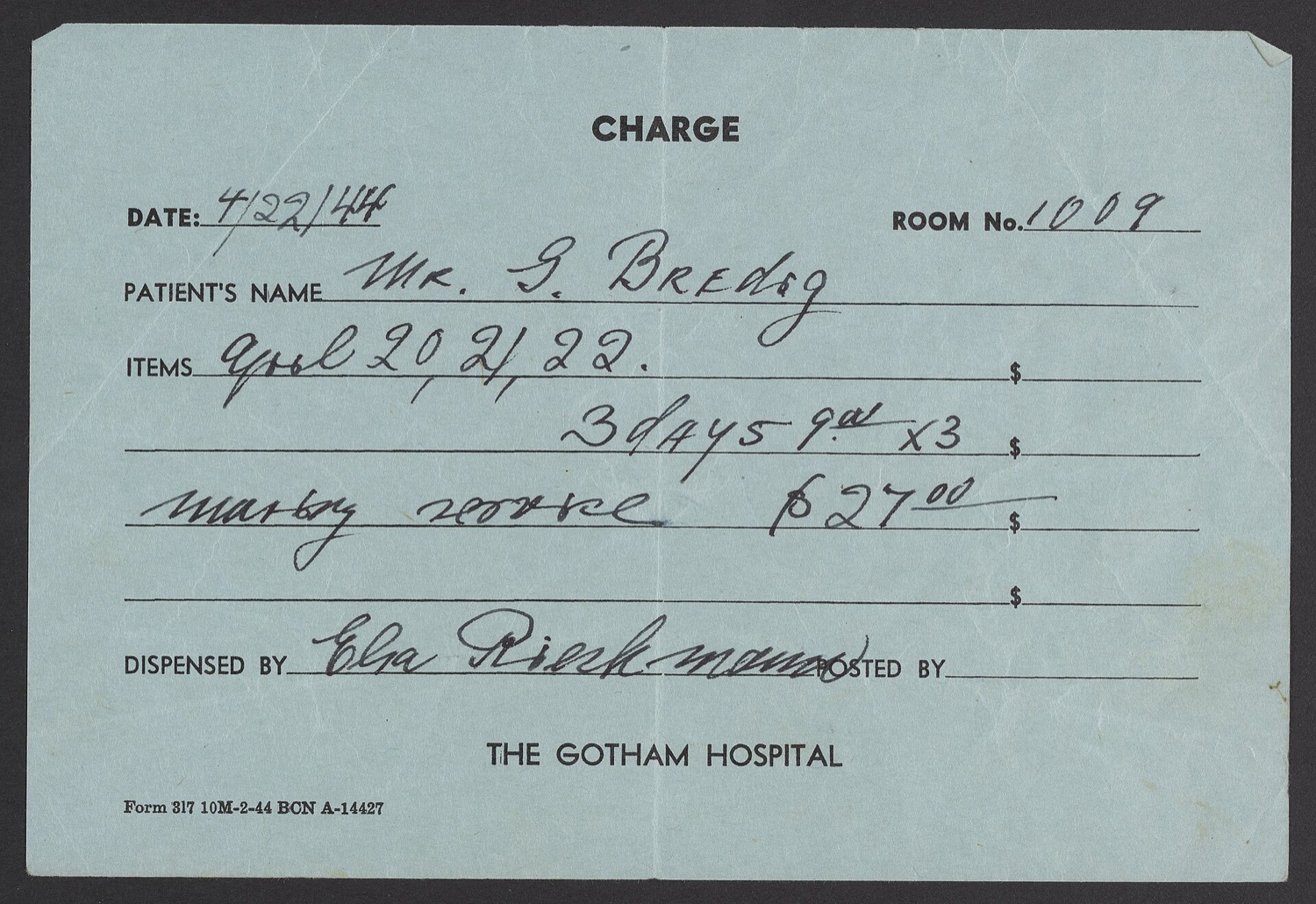
Medical bills can be confusing, and mistakes are more common than most people think. Knowing what each document is, and what the codes mean, makes it much easier to check what you owe. This guide focuses on the US system, where patients see the most paperwork, but the principles apply elsewhere.
The documents you may receive
Bill, EOB and claim
- Itemised bill
- From the hospital or practice. Lists each service, supply and medicine with a code and a price. Ask for one if you only get a summary.
- Explanation of benefits (EOB)
- From your insurer. Shows what was billed, the allowed amount, what the plan paid and what you may owe. It is not a bill.
- Claim
- What the provider sends to the insurer. Most are filed electronically today.
The codes on the paperwork
- CPT codes (five characters) describe procedures and services, such as an office visit or an X-ray. HCPCS codes cover supplies, equipment and some drugs.
- ICD-10 codes describe the diagnosis, the reason for the service.
- Claim forms: doctors and other professionals use the CMS-1500 format (once known as the HCFA-1500); hospitals and other institutions use the UB-04, which replaced the older UB-92 in the 2000s. You rarely see these, but codes from them appear on your EOB.
Medical offices once bought printed claim forms, toner and billing software by the box; today the same data flows electronically, but a wrong code still produces a wrong bill.
Key insurance terms
| Term | Meaning |
|---|---|
| Allowed amount | The maximum the plan pays for a covered service, often less than the billed price |
| Deductible | What you pay each year before the plan starts paying for most services |
| Copay | A fixed fee for a service, such as a doctor visit |
| Coinsurance | Your percentage share of the allowed amount after the deductible |
| Out-of-pocket maximum | The most you pay in a plan year for covered in-network care |
| In-network / out-of-network | Whether the provider has a contract with your plan; out-of-network care costs more |
Checking for errors
- Match the bill to the EOB: dates, services and amounts should agree.
- Look for duplicate charges, services you did not receive and wrong dates.
- Check that your name, policy number and the diagnosis look right.
- Call the billing office with specific questions and keep notes of who you spoke to.
- If the insurer denied a claim, you have the right to appeal.
Protections and help
Since 2022 the US No Surprises Act protects most people from surprise bills for emergency care and for certain out-of-network care at in-network hospitals. Uninsured or self-pay patients can ask for a good faith estimate before planned care. Non-profit hospitals must have a financial assistance policy, and most providers offer payment plans if you ask.
Travel and care away from home
Bills get more complicated when you are ill away from home. A trip to Las Vegas or a casino cruise can mean out-of-network or foreign care, and ship medical centres charge separately. Read medical care at sea and travel insurance before you sail.
Based on guidance from: Centers for Medicare & Medicaid Services, US Department of Health and Human Services.


