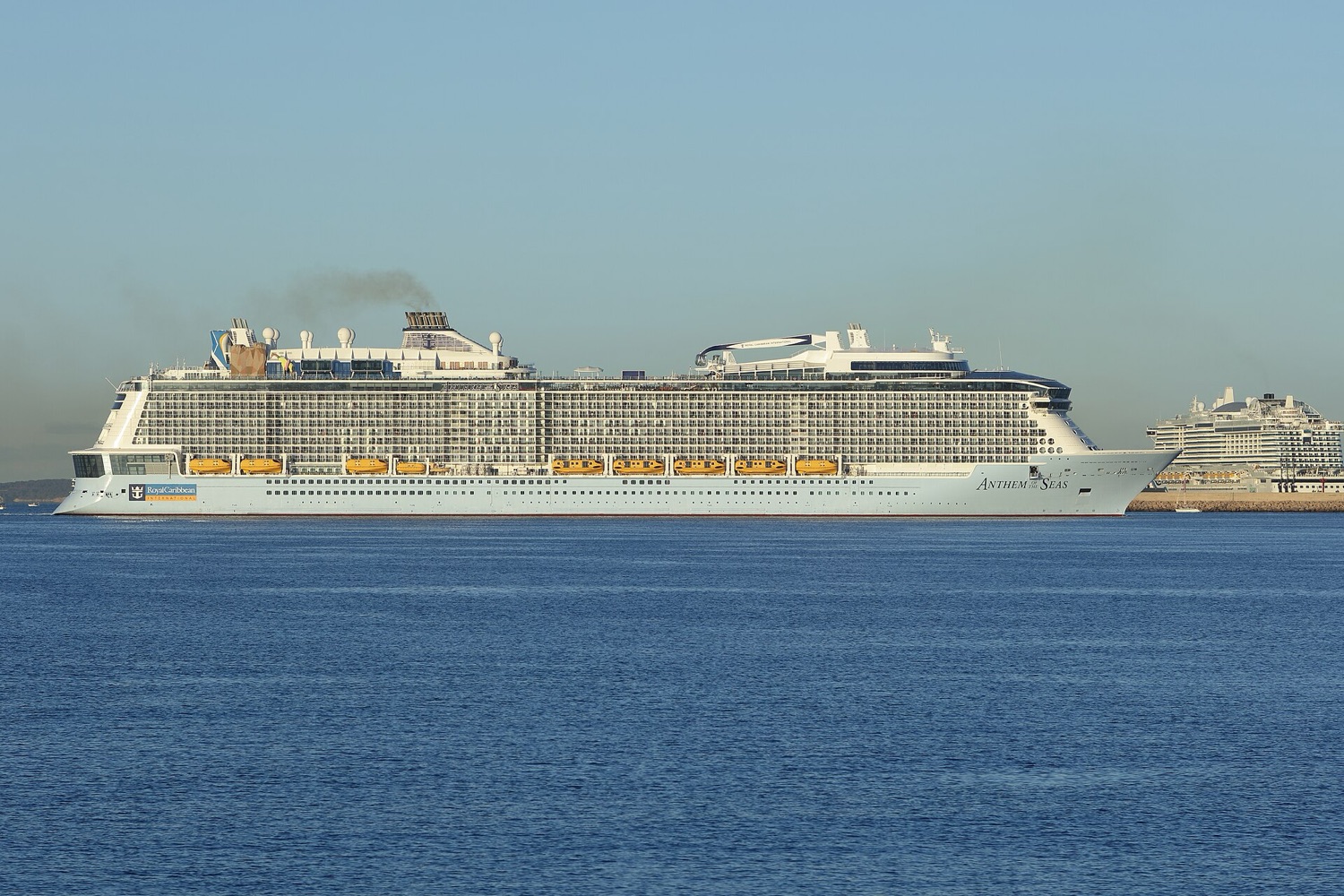
Most large cruise ships have a casino that opens once the ship is at sea, along with pools, buffets and late-night shows. They also have a medical centre. Knowing what that centre can and cannot do, and how it is paid for, is one of the most useful things to check before you sail.
What the ship's medical centre offers
Major cruise lines typically staff a medical centre with at least one doctor and several nurses, and members of the industry body CLIA follow guidelines on onboard medical facilities. They can treat common problems such as infections, minor injuries, seasickness and dehydration, stabilise emergencies and do basic tests. They are not hospitals: complex surgery, intensive care and specialist treatment are not available at sea.
Care on board is usually charged privately, often at high rates, and added to your shipboard account. Your home health insurance may or may not reimburse it.
When the ship cannot cope
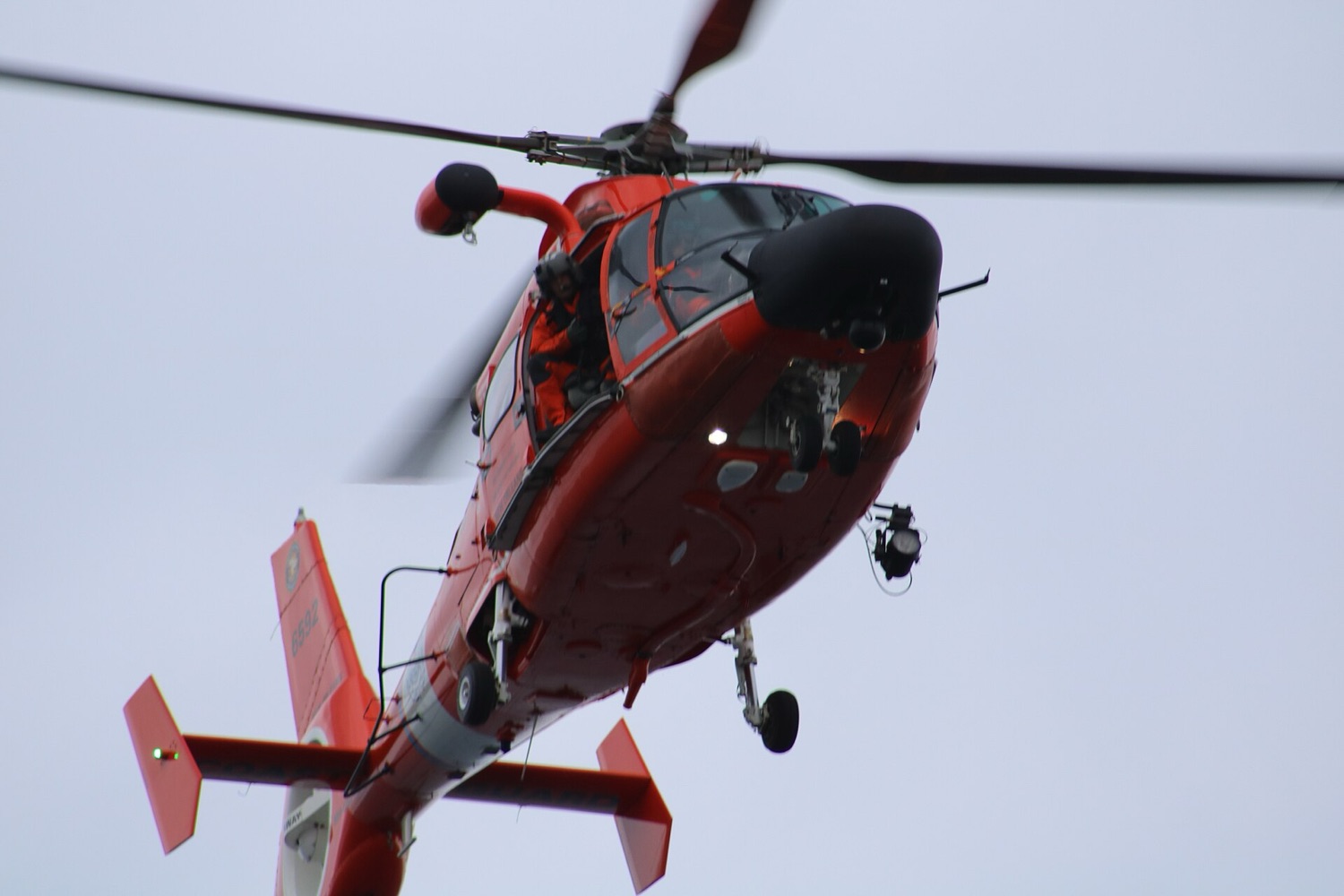
For a serious problem, such as a heart attack, stroke or major injury, the options are to divert to the nearest port, to transfer the patient to a hospital at the next stop, or to evacuate by helicopter or boat, sometimes with help from coast guard services. The hospital may be in a country with a different language and payment system. Air ambulance transport home or to a better-equipped hospital can cost tens of thousands of dollars, and more from remote waters.
Why travel insurance matters
- Home cover may not apply. US Medicare generally does not pay for care outside the US, with limited exceptions, and many private plans limit cover abroad. For UK travellers, the GHIC or EHIC does not cover treatment on board a ship.
- Choose cruise cover. Make sure the policy explicitly covers cruises, medical treatment on board and ashore, and medical evacuation and repatriation with a high limit.
- Declare pre-existing conditions, or a claim may be refused.
- Check activities. Some excursions, such as diving or water sports, may need extra cover.
- Keep the emergency number of the insurer with you; most require you to call before major treatment.
Staying well on board
- Norovirus: outbreaks of this stomach bug are well known on ships. Wash hands with soap and water before eating and after the toilet; alcohol gel is less effective against norovirus. Report vomiting or diarrhoea to the medical centre. See handwashing.
- Seasickness: a cabin low and in the middle of the ship moves least. Looking at the horizon and fresh air help. Antihistamine tablets or prescription patches work but can cause drowsiness, so avoid combining them with alcohol.
- Medicines: pack more than enough in your hand luggage, with a list of doses and copies of prescriptions.
- Sun, buffets and bars: pace drinking, drink water and keep at least some meals light (see healthy eating basics).
- Smoke and late nights: some ships still allow smoking in parts of the casino; choose smoke-free areas if you can (see second-hand smoke), and balance late nights in the casino with daytime rest.
Before booking, people with heart or lung disease, who are pregnant or who have mobility problems should talk to their doctor and check the cruise line's requirements.
Based on guidance from: CDC Vessel Sanitation Program, Cruise Lines International Association, US Medicare, NHS.


