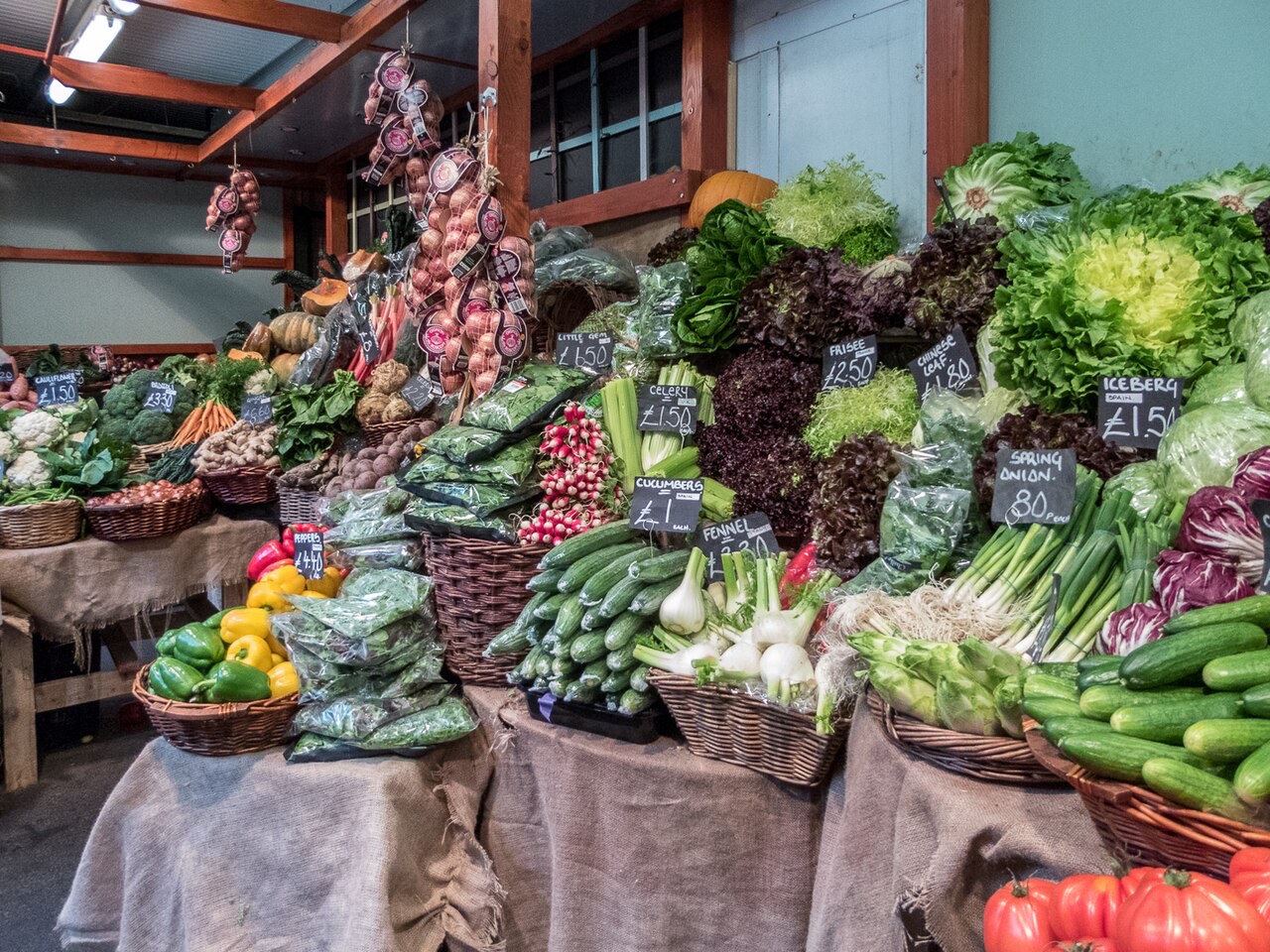
Nutrition headlines change every week, but the core advice from health bodies has been stable for years. You do not need a special diet; you need more plants, more fibre and less salt, sugar and heavily processed food, most of the time.
The WHO basics for adults
| Food or nutrient | WHO advice |
|---|---|
| Fruit and vegetables | At least 400 g a day (about five portions), not counting potatoes and other starchy roots |
| Free sugars | Less than 10% of energy intake, ideally under 5% |
| Total fat | Less than 30% of energy, favouring unsaturated fats |
| Saturated fat | Less than 10% of energy |
| Trans fat | Less than 1% of energy, ideally none from industrial sources |
| Salt | Less than 5 g a day, about one teaspoon |
Free sugars are sugars added to food and drinks plus those in honey, syrups and fruit juice. The sugars inside whole fruit, vegetables and milk are not counted.
A practical plate
- Fill half the plate with vegetables and fruit.
- A quarter with whole grains or starchy foods, choosing wholemeal or higher-fibre versions.
- A quarter with protein: beans, lentils, fish, eggs, poultry, tofu, with less red and processed meat.
- Use small amounts of unsaturated oils such as olive or rapeseed oil.
- Drink water most of the time and keep sugary drinks occasional.
Salt is mostly hidden
Most of the salt people eat is already in bread, cheese, processed meat, sauces, ready meals and restaurant food, not added at the table. Too much salt raises blood pressure, one of the leading causes of heart attacks and strokes; our guide to high blood pressure explains why it matters.
Buffets, holidays and eating out
All-you-can-eat buffets are a feature of cruise ships and big casino resorts, and they are designed to encourage one more plate. A few tricks keep them enjoyable: walk the whole buffet before choosing, start with salad and vegetables, use a smaller plate and make one main trip rather than several. Sweet desserts and cocktails add up quickly, so pick the one you really want. On a long trip, keep at least one meal a day simple and plant-heavy.
If you have diabetes, kidney disease, food allergies or another condition, or are pregnant, ask a doctor or registered dietitian for advice that fits you.
Based on guidance from: World Health Organization, NHS Eatwell Guide, Harvard T.H. Chan School of Public Health.


