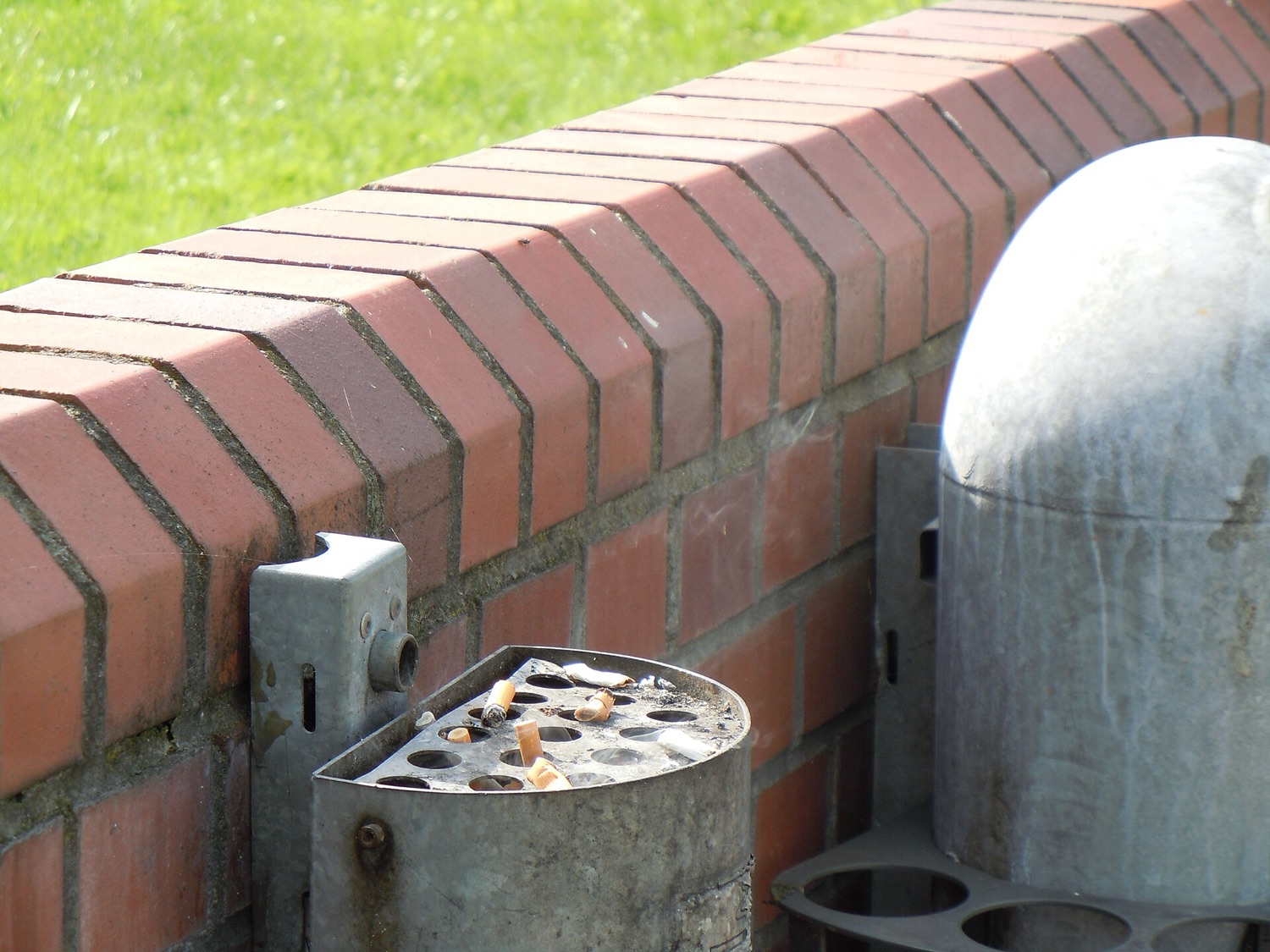
For decades, a haze of cigarette smoke was part of the casino stereotype. Today a growing number of casinos around the world are smoke-free, driven by clear evidence that second-hand smoke harms the people who breathe it, above all the staff who work there every day.
What second-hand smoke does
Second-hand smoke is the mix of smoke from the burning end of a cigarette and the smoke breathed out by smokers. It contains thousands of chemicals, including dozens known to cause cancer. Major reviews, including reports from the US Surgeon General, have concluded that there is no risk-free level of exposure. In adults who do not smoke, it causes heart disease, stroke and lung cancer; it triggers asthma attacks and worsens other lung conditions. Even short exposure affects the lining of blood vessels and makes blood platelets stickier, which is a concern for people with heart disease.
Why ventilation is not enough
Casinos have invested in powerful air handling, but engineering bodies such as ASHRAE, which sets ventilation standards, have stated that ventilation and air cleaning cannot eliminate the health risks of second-hand smoke. The only way to fully protect people indoors is to stop smoking indoors. Air-quality studies in casinos that permit smoking have found fine-particle pollution many times higher than in smoke-free venues, and "non-smoking sections" on the same floor reduce exposure only partly.
What happens when casinos go smoke-free
- Workers: health evaluations of casino dealers by NIOSH found that non-smoking staff absorbed measurable amounts of tobacco-smoke chemicals at work. After smoke-free laws, studies of hospitality workers report fewer respiratory symptoms and better lung function.
- Visitors: people with asthma, heart disease or who are pregnant can visit without breathing smoke.
- Business: many operators report that going smoke-free also cut cleaning and maintenance costs; the debate about revenue effects continues in some markets.
Where the rules stand
Many countries, including the UK and much of Europe, ban smoking in all indoor public places, casinos included, often with designated outdoor or separately ventilated areas. In the United States the picture is a patchwork: many states and tribal casinos are fully smoke-free, while others, including major gaming markets such as Nevada and Atlantic City in New Jersey, still allow smoking on part of the gaming floor. Cruise ships set their own policies, and some allow smoking in parts of the onboard casino. Rules change, so check before you go.
How visitors can protect themselves
- Choose casinos that are fully smoke-free, and ask for a non-smoking hotel room on a non-smoking floor.
- If a venue allows smoking, stay well away from smoking areas, and do not rely on distance alone in an enclosed space.
- Carry your reliever inhaler if you have asthma.
- Remember that e-cigarette aerosol is not just water vapour, although it is far less harmful than tobacco smoke.
- If you smoke and want to stop, combining stop-smoking medicines with support gives the best chance of success.
Smoke, late nights and excitement all affect the heart and blood vessels; read more in high blood pressure explained.
Based on guidance from: US Surgeon General, CDC, World Health Organization, ASHRAE, NIOSH.


