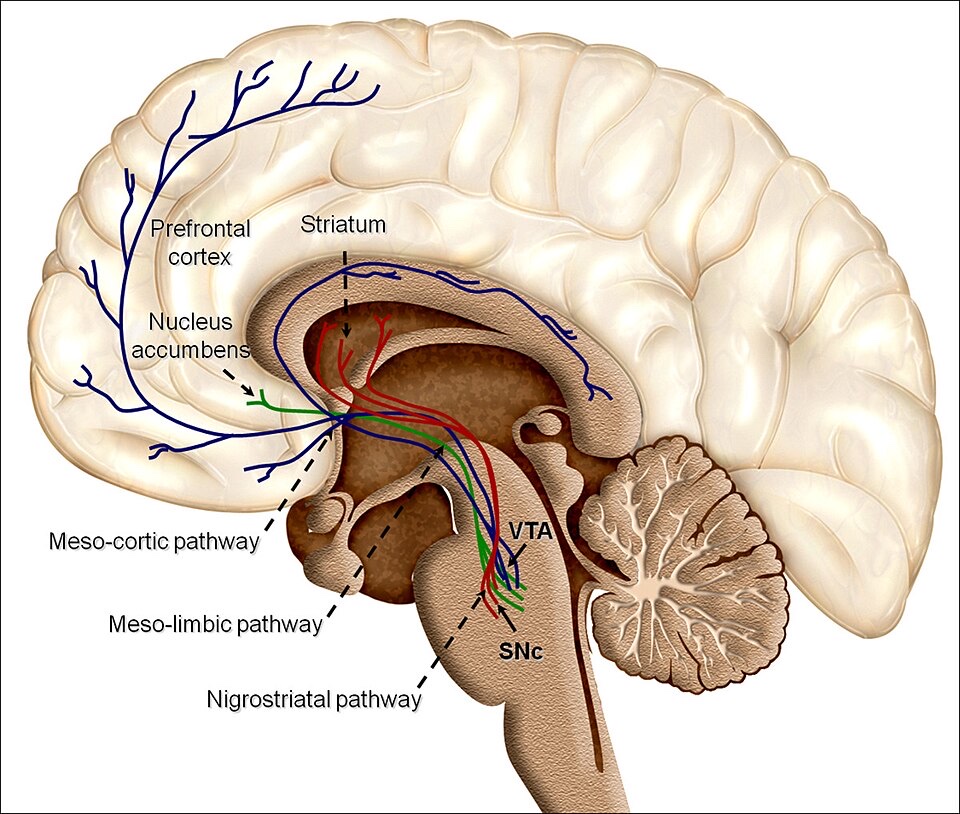
Few activities show the brain's reward system at work as clearly as games of chance. The spin of a roulette wheel, the last card in a poker hand or the reels of a slot machine create exactly the conditions this system responds to most: uncertainty, anticipation and the possibility of a reward.
Dopamine is about prediction, not just pleasure
Dopamine is often called the "pleasure chemical", but neuroscientists see it differently. Classic experiments by Wolfram Schultz and others showed that dopamine neurons fire most when a reward is better than expected, stay steady when a reward is fully predicted and dip when an expected reward does not arrive. This "reward prediction error" signal helps the brain learn what is worth pursuing. Researchers also distinguish "wanting" (motivation, strongly linked to dopamine) from "liking" (the pleasure itself, which involves other brain chemicals such as natural opioids).
Why uncertainty is so compelling
- Uncertain rewards: animal studies have found that some dopamine neurons respond most strongly when the chance of a reward is around fifty-fifty, when the outcome is most uncertain.
- Variable rewards: behaviour rewarded at unpredictable intervals, as with a slot machine, is learned strongly and is slow to fade. Psychologists call this a variable-ratio schedule.
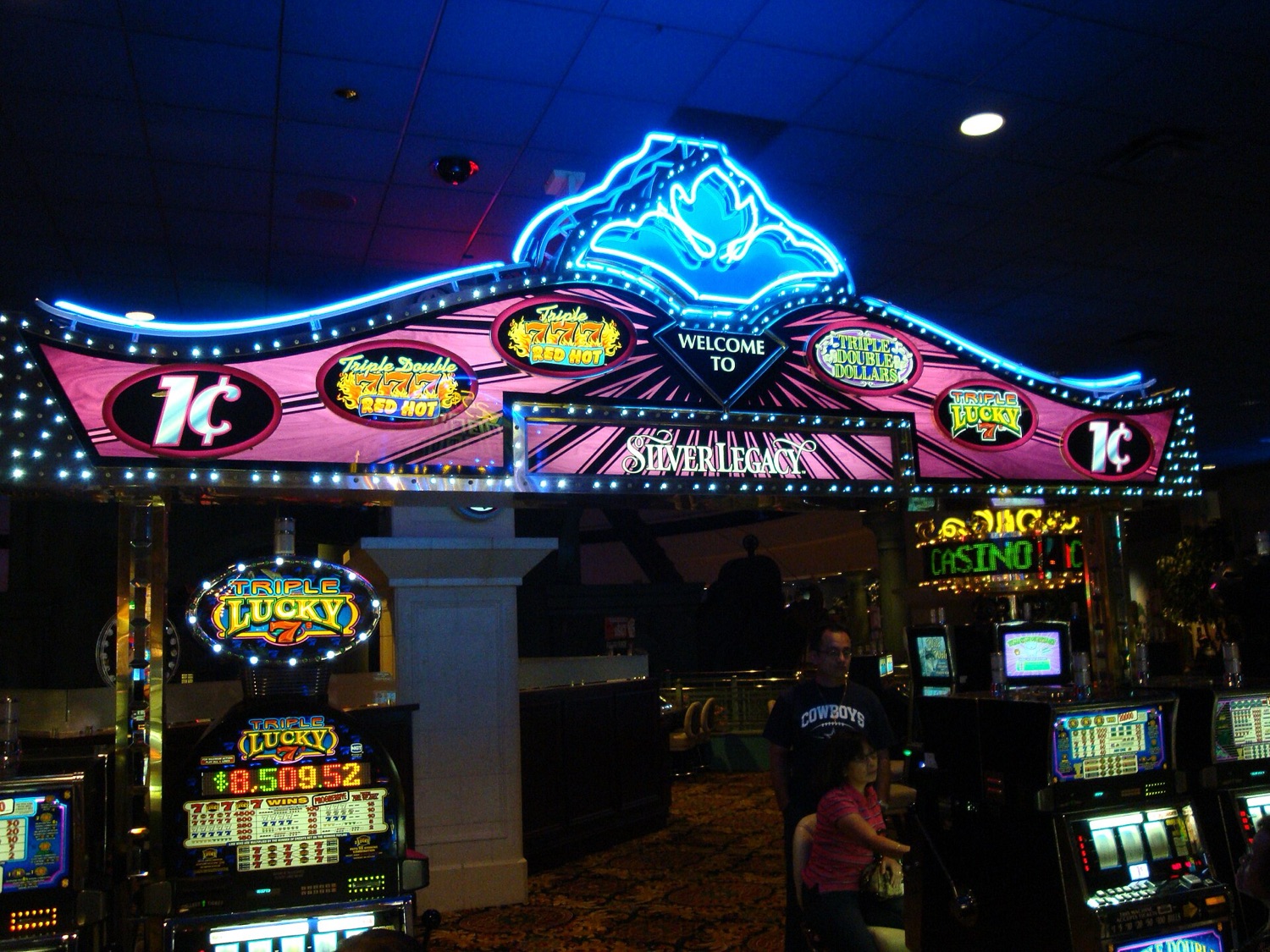
- Near misses: brain-imaging studies show that near misses, such as two jackpot symbols and a third just above the line, activate reward-related areas even though they are losses, and they tend to make people want to keep playing.
- Losses disguised as wins: on multi-line slots, a "win" smaller than the stake still triggers lights and sounds, and players often remember it as a win.
Thinking traps
Alongside brain chemistry, familiar biases shape decisions: the gambler's fallacy (believing red is "due" after a run of black, although each spin is independent), the illusion of control (feeling that how you throw the dice changes the result) and selective memory for wins. Knowing the house edge of a game, and that it is built into every bet, is the most useful antidote. Enjoyed as paid-for entertainment, a night of roulette or blackjack is just that.
What changes risk-taking
- Sleep loss shifts the brain towards focusing on gains and discounting losses (see how much sleep adults need).
- Alcohol lowers inhibition and weakens the brain's braking systems.
- Stress and strong emotion, including chasing a loss or riding a winning streak, narrow attention.
- Certain medicines: dopamine agonists, used for Parkinson's disease and restless legs syndrome, are linked to impulse-control problems including compulsive gambling, shopping and eating in a minority of patients. Anyone who notices such changes should talk to their prescriber promptly and should not stop the medicine suddenly on their own.
When the system misfires
For most people, gambling is occasional entertainment. For a minority it becomes hard to control. Psychiatry recognises gambling disorder as a behavioural addiction, grouped with substance use disorders in the DSM-5 manual, and brain-imaging research shows overlaps with the reward changes seen in other addictions. It is a treatable condition: cognitive behavioural therapy has the strongest evidence, and a family doctor is a good first contact. Gambling has no health benefits of its own, and it is not a treatment for stress, low mood or boredom.
Based on guidance from: Peer-reviewed neuroscience research, American Psychiatric Association (DSM-5), NHS, World Health Organization.


